The return — breath, integration, and how the opening becomes your life
Breath Is God — Part 9 of 10

The Return: Breath, Integration, and How the Opening Becomes Your Life

Breath Is God — Series This is part nine of a ten-part series on breath, consciousness, and the sacred. The series has covered breath as the divine interface, the yogic model, fear and the breath, Shiva and Shakti, the techniques, the sacred numbers, preparation for ceremony, and navigating ceremony’s difficult moments. This post covers what comes after: the return, and why the work that begins in ceremony only completes itself in life.

The ceremony ends when the facilitators close the circle. The integration never ends. What was opened in ceremony must be lived — carried into the ordinary world, met again in the ordinary breath of ordinary mornings, and slowly, imperfectly, allowed to change the ordinary life it has returned to.

Most people understand integration intellectually. They know that what they experienced in ceremony cannot simply be filed away as an interesting event. But understanding integration and practising it are different things. The breath is where the practice happens. Not as a spiritual metaphor, but as a daily, physical act of returning to what was revealed.

The Days Immediately After

The first three days after ceremony are the most permeable. The most important. The most easily wasted.

In the days immediately following ceremony, the nervous system is in an unusual state. The default mode network — the brain’s habitual pattern-maintenance system, responsible for the familiar, defended sense of self — has been temporarily disrupted. The patterns are loosened. New connections are forming. Research using fMRI shows increased neuroplasticity in the days following psilocybin sessions: the brain is genuinely more open to learning, more capable of forming new neural pathways, less rigidly committed to its established modes of response.

This is the window. It closes gradually over the following days and weeks as the default mode network reasserts itself, as the demands of ordinary life reassemble around the returned self, as the person becomes, if they are not careful, the person they were before — only now carrying an unintegrated ceremony as a kind of unprocessed inner weather.

The breath practice in these days is not complicated. It is simply: do not abandon it. The morning practice that supported the preparation period is now the practice of integration. Sit with the breath each morning. Not to repeat the ceremony. Not to seek the experiences that arose in ceremony. But to bring the quality of attention that ceremony cultivated — the open, unhurried, present attention — to the body as it is today, in the ordinary world, in the ordinary morning light.
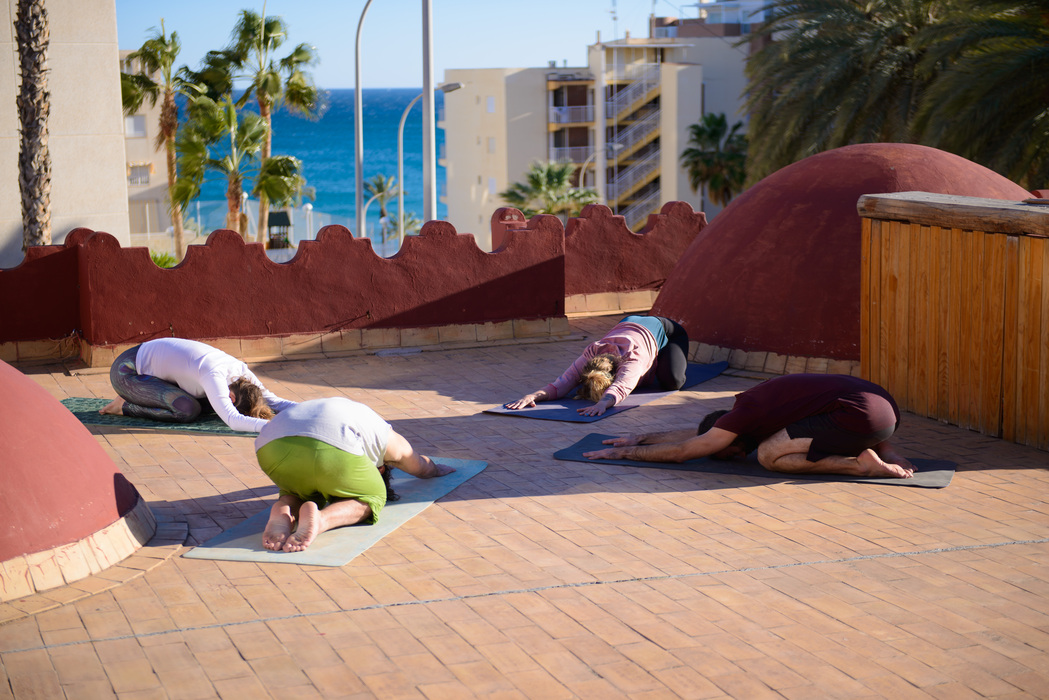
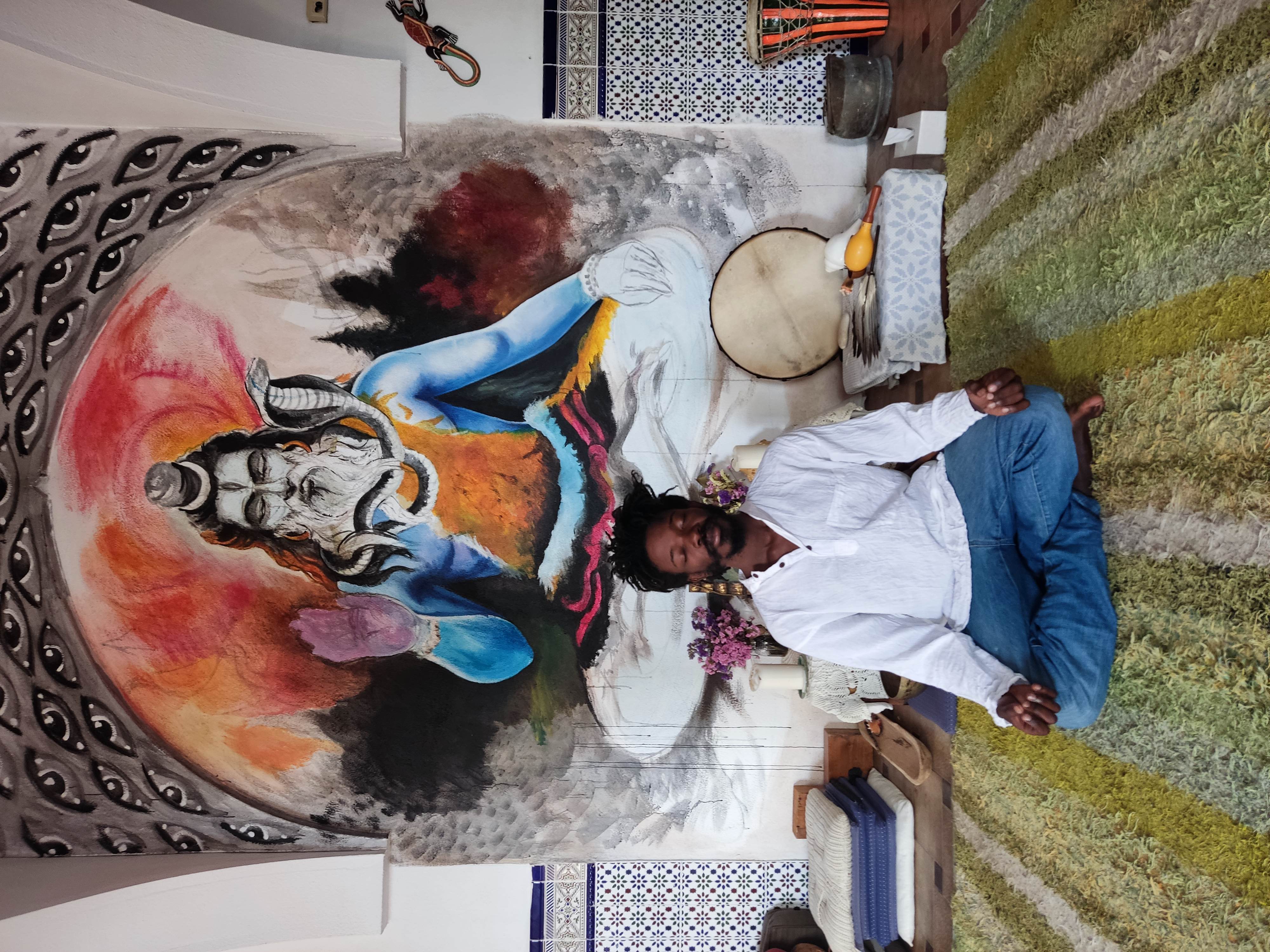
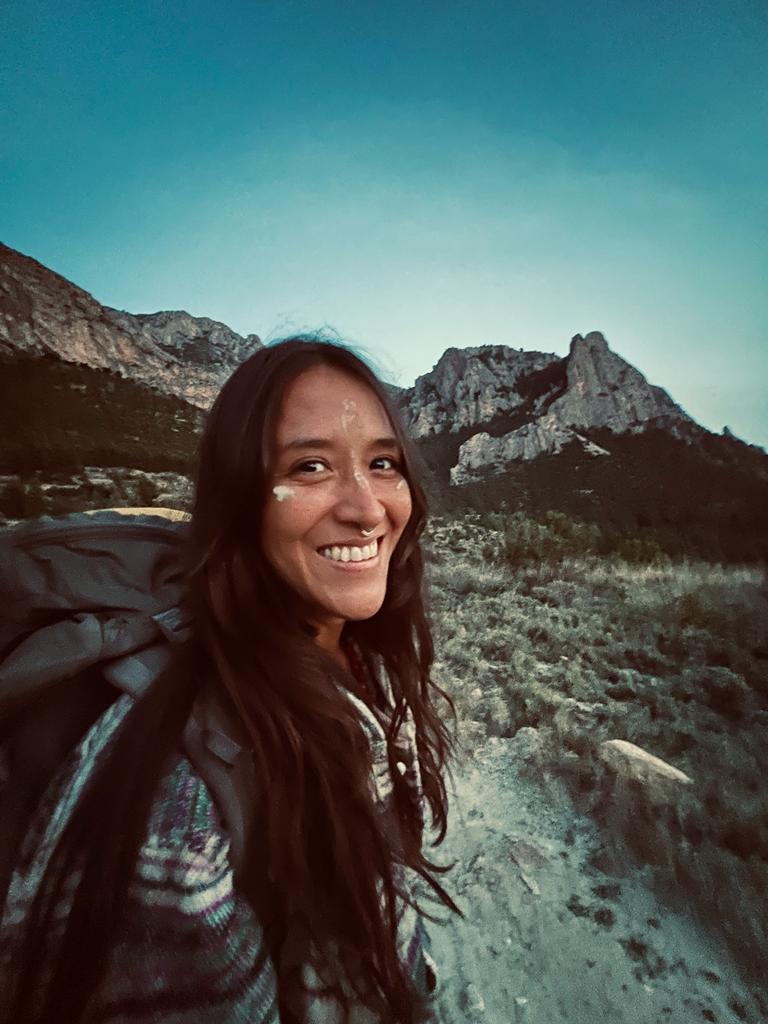
The days immediately after ceremony — the window of neuroplasticity and the breath that holds it open

When the Ceremony Comes Back in the Breath

One of the most consistent reports from people in the post-ceremony period is this: the breath practice, in the days after, becomes a form of continued processing. Sitting quietly with slow breath, experiences and insights from the ceremony arise again — not with the same intensity as during the ceremony, but with a quality of completeness that the ceremony itself sometimes did not provide. Things that were overwhelming become manageable. Things that were glimpsed become clearer. Things that were felt but not understood begin to find language.

This is not unusual. It is the continuation of a process that the medicine began. The nervous system does not process everything in ceremony. It cannot — the experience is often too large, too fast, too multidimensional for the conscious mind to fully receive in real time. What the mind could not hold in ceremony, the body holds. The breath practice, in the days that follow, gives the body a way to continue releasing what it has been carrying.

What the mind could not hold in ceremony, the body holds. The breath gives it somewhere to go.

This is why we say that integration breathwork is not the same as preparation breathwork, even when the techniques are identical. The same twenty minutes of Nadi Shodhana that was calibrating the nervous system before ceremony is now a space for the ceremony to continue completing itself. What changes is not the practice but the intention — and the accumulated context of what has happened since.

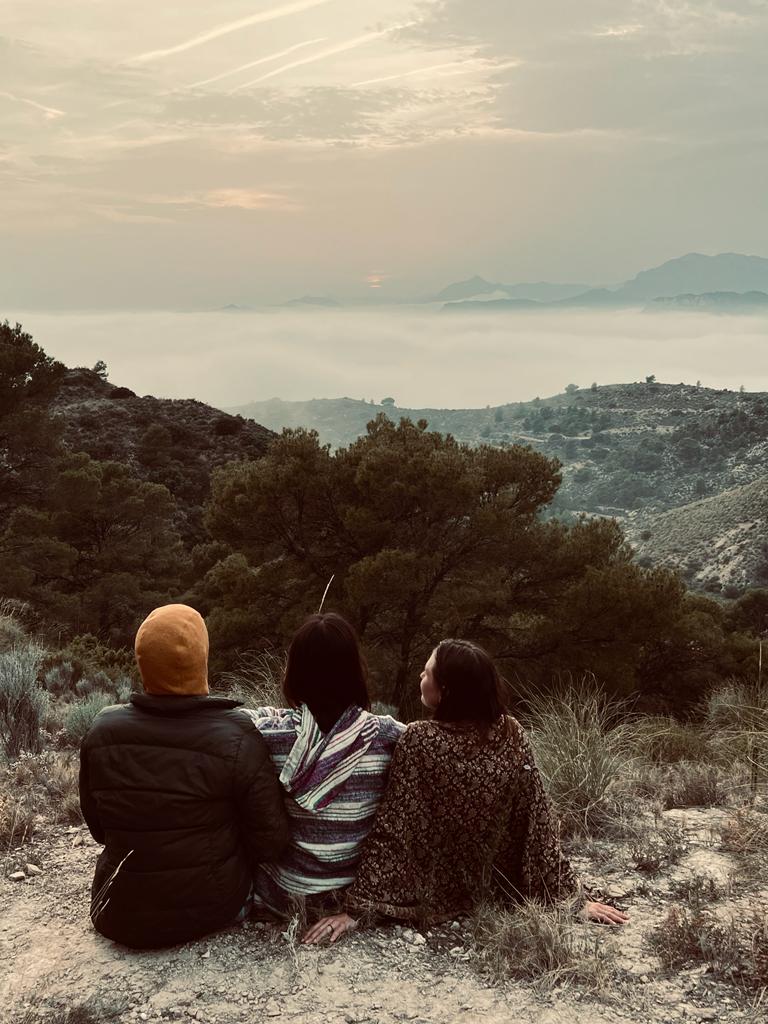
When the ceremony comes back in the breath — post-ceremony processing and the body’s continued work

The Habitual Breath as the Integration Report

One of the most useful practices in the post-ceremony period is not a formal practice at all. It is this: several times each day, simply notice the breath as it is, without having changed anything. What does it look like? Where is it in the body? How fast? How full?

Before ceremony, most people’s habitual breath — the one they are taking when not attending to it — is in the chest. Shallow. Somewhere around fifteen to eighteen breaths per minute. This is the breath of managed life, of constant low-level alertness, of a nervous system that has learned to stay slightly ahead of the next difficulty.

After ceremony, and in the days following a sustained integration practice, people regularly report a shift in their habitual breath. Not dramatic. Incremental. The belly moves a little more. The rate is a little slower. The chest is a little less held. This is not wishful thinking. This is measurable physiological change. The nervous system has been given, repeatedly, the experience of deep parasympathetic rest, and it is gradually reorienting its default toward that rest rather than away from it.

The habitual breath is the most honest report of integration. No one can fake their resting breath rate.

Over months of consistent practice following ceremony, this shift in the habitual breath becomes one of the most tangible markers of what has changed. Not the insight. Not the story you tell about the ceremony. Not the resolution you made. The actual breath, in the body, right now. That is the integration. That is the ceremony lived into the life.

The habitual breath as the integration report — the resting breath rate as the measure of real change

When the Integration Stalls

Integration stalls for predictable reasons. The ordinary world reasserts itself. The demands of work and relationship and logistics crowd back in. The morning practice that was non-negotiable in the week before ceremony becomes, three weeks after, a vague intention that has not been fulfilled since Tuesday. The insight that seemed to change everything in ceremony has become something you remember having felt, not something you are currently living.

This is not failure. It is the human condition. The momentum of deeply established patterns is enormous. The defended self, temporarily dissolved in ceremony, does not remain dissolved. It rebuilds itself from the same materials it always had, in the same patterns, with the same urgency. The question is not whether it rebuilds, but how much of the ceremony survives the rebuilding.

When integration stalls, the breath is the diagnostic and the remedy simultaneously. Sit down. Close your eyes. Notice the breath. Not the breath you wish you had or the breath you had three days ago. The actual breath, right now. Tight? Shallow? Hurried? This is the information. Not a judgment. Information. And then: extend the exhale. Not dramatically. Just let it be a little longer than the inhale. Stay with it for ten minutes.

You cannot think your way back to what ceremony opened. You can only breathe your way back.

This is the practice returning to its function. Not as a spiritual performance. Not as a signal to some external authority that you are integrating properly. As the most basic act of self-knowing available: the decision to meet your own nervous system where it actually is, and offer it the one thing that is always available — the long, slow, complete exhale that says: you are safe, you can soften, the fire is still alive.

When integration stalls — the breath as both diagnostic and remedy

The Practice That Outlasts the Ceremony

The deepest integration is not the processing of any particular experience from any particular ceremony. It is the slow establishment, over months and years, of a different relationship between the person and their own breath. A relationship in which the breath is not a background event, not something that happens while life gets on with itself, but a genuine practice — a daily return to the thread, a daily act of choosing the open position over the defended one.

This is what the contemplative traditions were trying to produce in their practitioners. Not enlightenment in a single ceremony. Not permanent transformation through a single encounter with plant medicine. The gradual, patient, daily building of a nervous system that has learned — by practice, by repetition, by the accumulated evidence of ten thousand long exhales — that it can be open. That opening is not dangerous. That the breath can carry what life brings.

People who return from ceremony and continue to practise consistently describe a quality of life that is difficult to convey to those who have not experienced it. Not a life without difficulty — difficulty is not the measure. A life in which difficulty is met differently. More spaciously. With less time between the arrival of a challenge and the return to the breath. With a shorter distance between the contracted and the open position.

The ceremony gave you a glimpse of who you are when the breath is free. The practice is becoming that person in ordinary life.

The ceremony is not the destination. It is the demonstration. This is who you can be. The breath is the path back to it. Every morning. Again.

The practice that outlasts the ceremony — becoming in ordinary life who you were in ceremony

The Opening Does Not Close Unless You Let It

There is a misunderstanding that haunts post-ceremony integration: that the opening you experienced in ceremony is fragile, temporary, something that will fade unless you manage it carefully enough. This misunderstanding produces either grasping — the frantic attempt to preserve the feeling — or despair, when the feeling inevitably changes as all feelings do.

The opening is not fragile. What you encountered in ceremony — the ground of your own being, the depth of consciousness that is always present beneath the surface activity of the mind — is not going anywhere. It was there before the ceremony. It is there now. It will be there when you have forgotten the details of everything that happened in the ceremony.

What the ceremony changed is your relationship to that ground. It showed you it exists. It showed you you can access it. The breath practice is the practice of accessing it, daily, in the ordinary mornings of your ordinary life. Not reaching for the intensity of ceremony. Just returning to the thread. Slow in. Slow out. Present. Alive. Here.

The ceremony was one long breath. Your life is the exhale. Let it be complete.

Babaji is the founder of La Mezquita. Read more about the team.
Next in this series: Mindfulness Is Breathing With God — the final post, bringing the whole series full circle: what mindfulness actually is, why it has always been about the breath, and why the breath has always been God.

Come and breathe with us

Breathwork is woven into every retreat at La Mezquita. If this resonates, the next step is finding the right retreat for you.

← Back to the blog