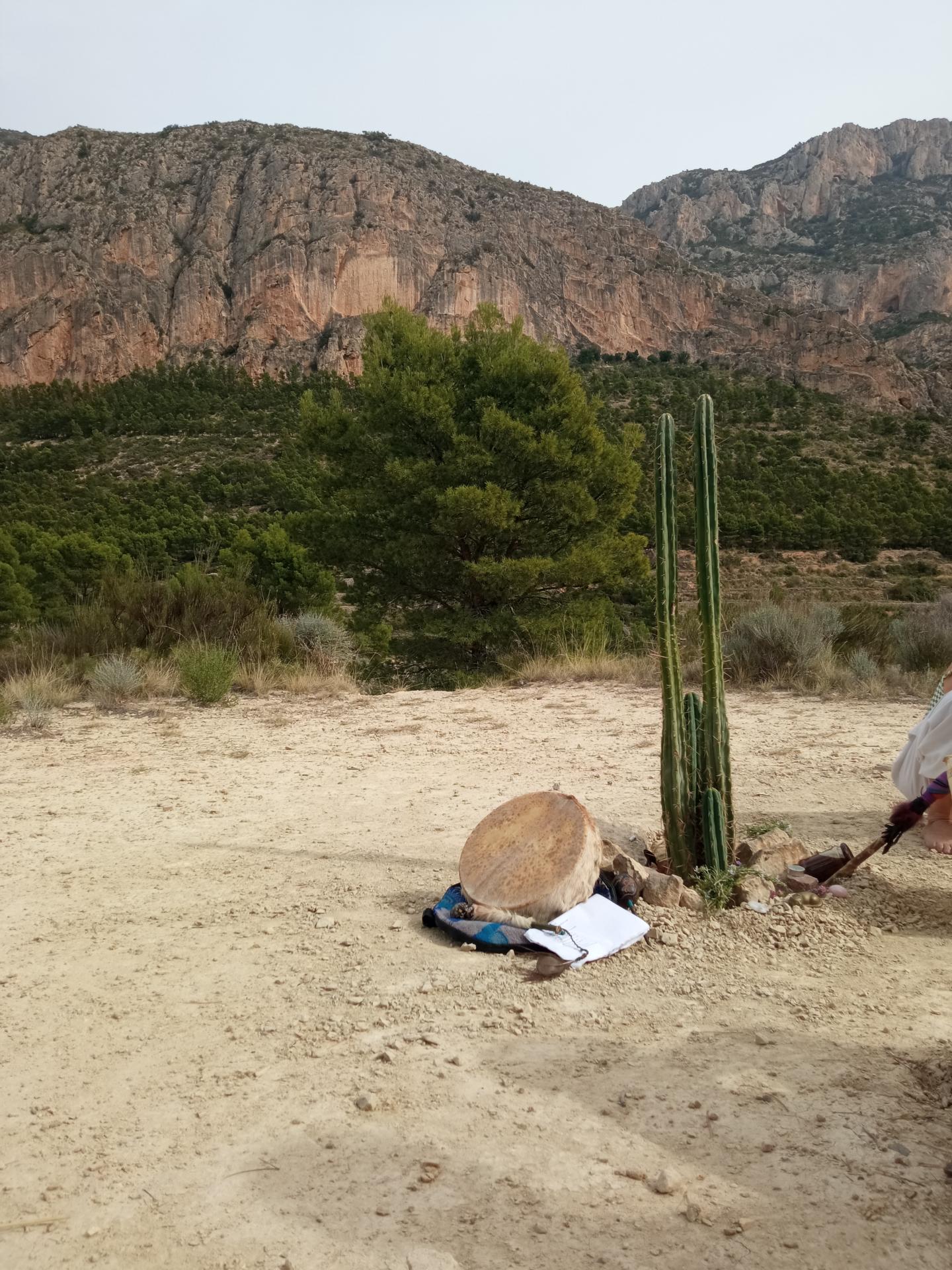
Mountain sky — air, breath, and consciousness
Breath Is God — Part 1 of 10

Is Air God? The Sacred Relationship Between Breath and Consciousness

About this series This is the first post in a ten-part series called Breath Is God. Over these posts we will move through the science, the philosophy, the ancient traditions, and the lived experience of what it means to breathe consciously — and why, at La Mezquita, we believe breathwork is not a wellness trend. It is a spiritual technology. And it may be the most important thing you learn to do.

There is something you are doing right now that you have been doing since the moment you arrived in this world. Something so constant, so ordinary, that you have likely never stopped to question it.

You are breathing. And in that breath — that single, unremarkable inhale — lies one of the most profound connections available to a human being. A connection that scientists, sages, yogis, Sufi mystics, and indigenous healers across six continents have all pointed toward, often using different words, always describing the same thing.

Breath Is the Interface

Breath is the interface between the human and the divine.

The first thing that leaves you at death is breath. Not thought. Not heartbeat. Breath. And the first thing that enters you at birth — before your eyes open, before you cry, before you know your own name — is breath.

In the Hebrew creation story, God breathes life into Adam. The word used is neshama — breath-soul. In Sanskrit, the same principle is called prana: the vital force that animates all living things. In Arabic, ruh — the spirit of God — shares its root with wind, with breath, with the moving of air. Every tradition that has ever touched the sacred has first touched the breath. This is not coincidence. This is the oldest map.
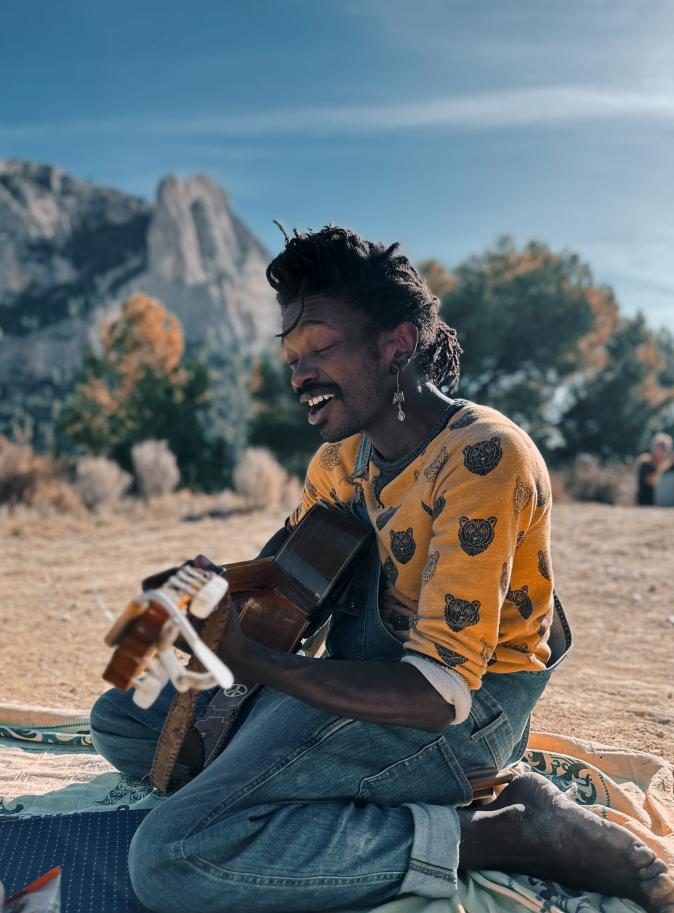
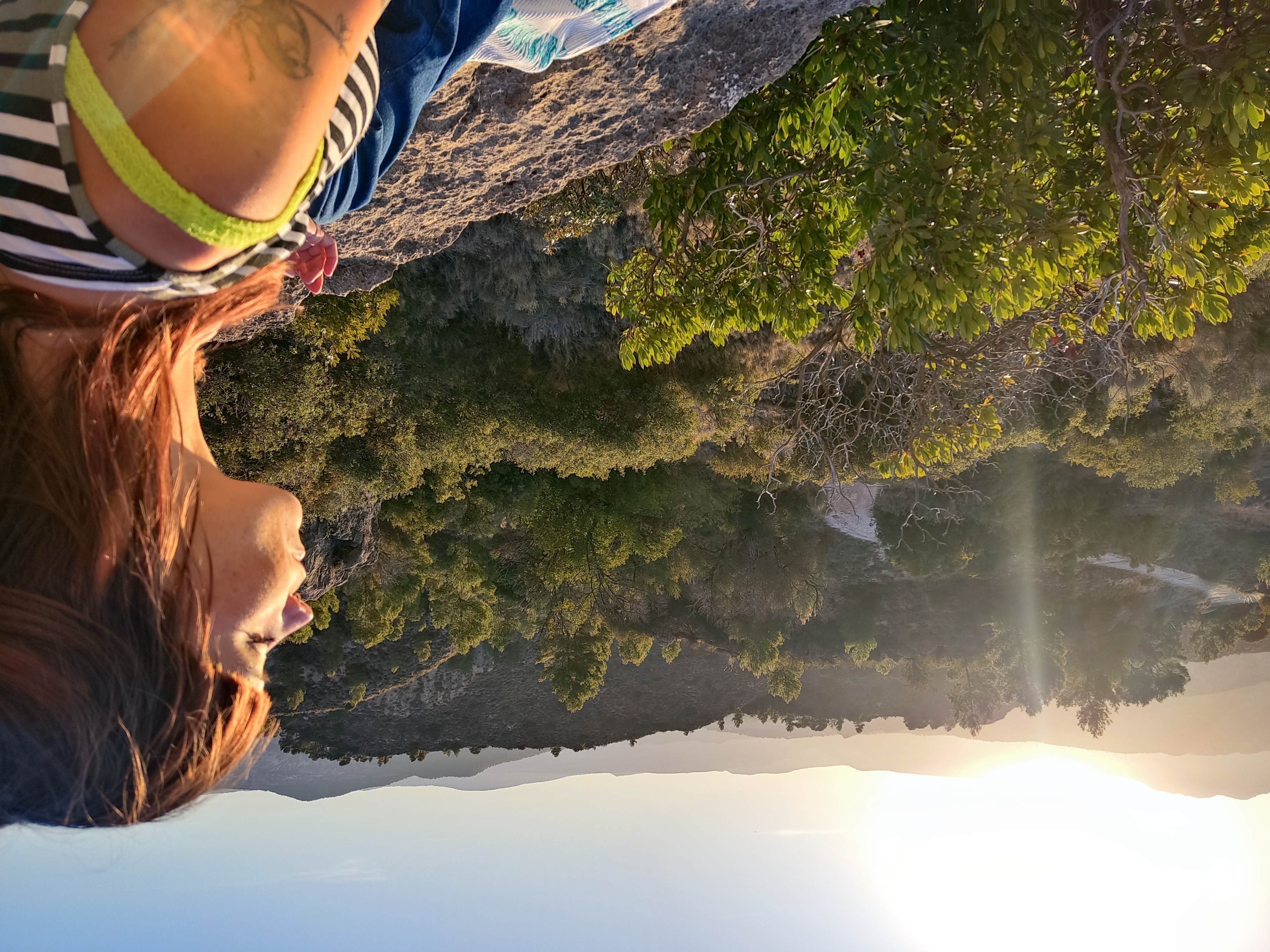
The sky and the breath — air as the oldest map to the sacred

Consciousness Is Not Your Brain

This is a radical statement, so let us sit with it.

Modern neuroscience has struggled for decades with what philosophers call the hard problem of consciousness — the question of why there is subjective experience at all. Why does it feel like something to be alive? The brain processes information. But awareness — the sense of being here, of witnessing — has never been located in grey matter.

Quantum consciousness theory, proposed by physicist Roger Penrose and anaesthesiologist Stuart Hameroff, suggests that consciousness arises from quantum processes within the microtubules of our cells. The brain, in this model, is not the generator of awareness. It is more like an antenna. A receiver. When it works well, it receives clearly. When it is disturbed — by fear, trauma, toxic air, shallow breathing — the signal breaks up.

And when the antenna stops entirely? People have been pulled from cold water after twenty minutes without breath, resuscitated, and gone on to live full and healthy lives without brain damage. Consciousness, in many documented cases, persists beyond the point at which the brain has ceased to function. Where does it go during those twenty minutes? We believe it returns to source.

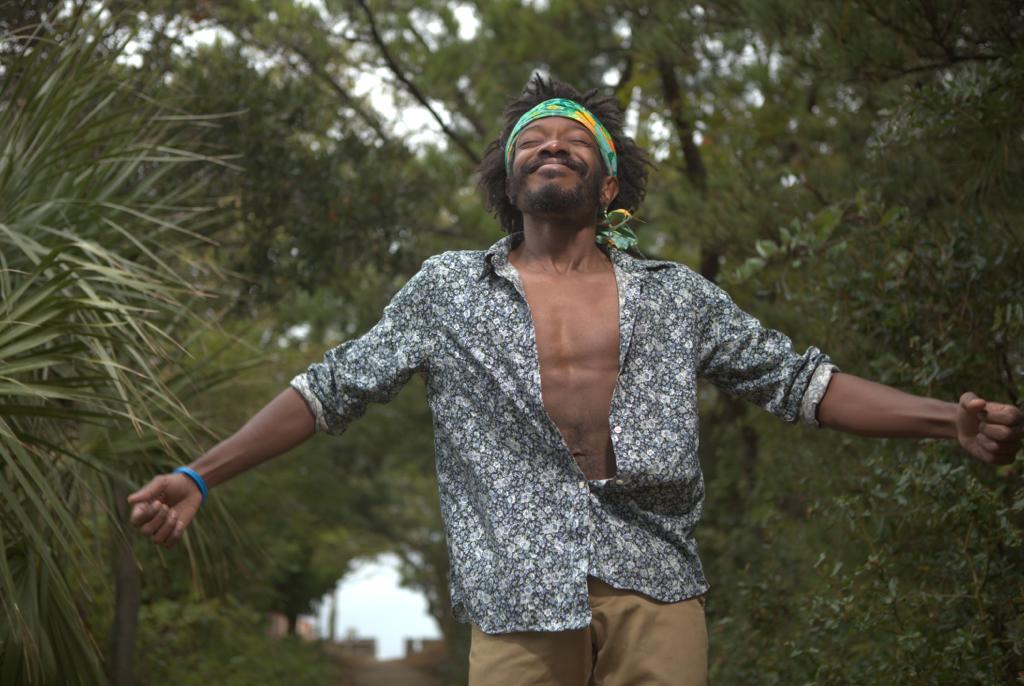
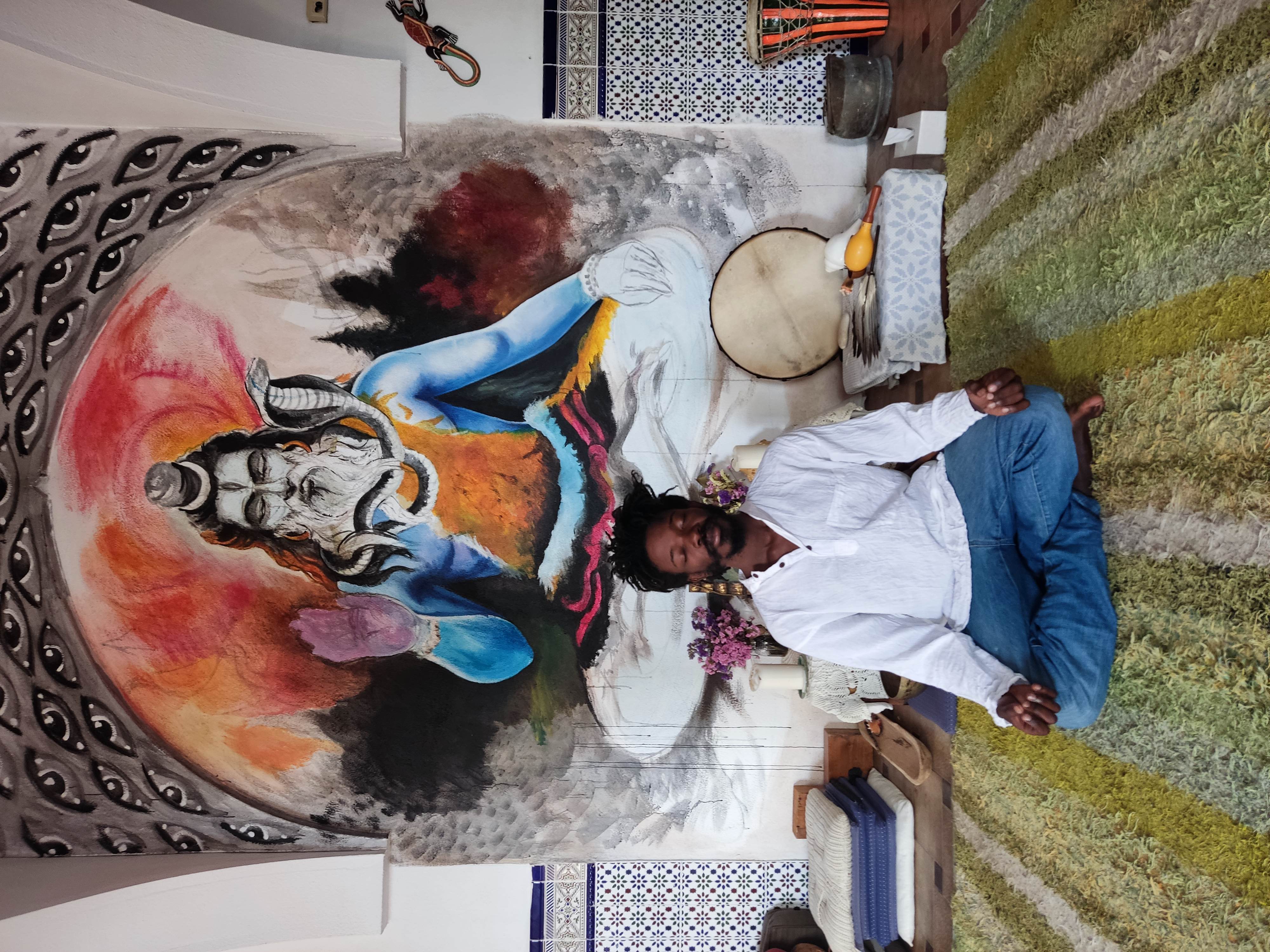
Sitting in meditation, returning to the breath

Shiva, Shakti, and the Breath Between

In yogic cosmology, that source has a name: Shiva. Not Shiva the destroyer, though that aspect exists. Shiva as pure consciousness. The unmanifest witness. The awareness that precedes all form.

His counterpart is Shakti — the creative force, the observable universe, everything that can be seen, touched, measured, experienced. The world you are living in right now. The screen you are reading this on. Your body. Your thoughts. All of it is Shakti.

Shiva is the space in which Shakti dances. Breath is the movement between them.

Every inhale is a return to consciousness — a drawing inward of prana, of the divine force that underlies all things. Every exhale is a re-engagement with the manifest world. You are doing this fourteen times a minute. Most people do it entirely unconsciously, shallow and fast, cut off from the profound cycle they are participating in.

What would change if you did it on purpose?
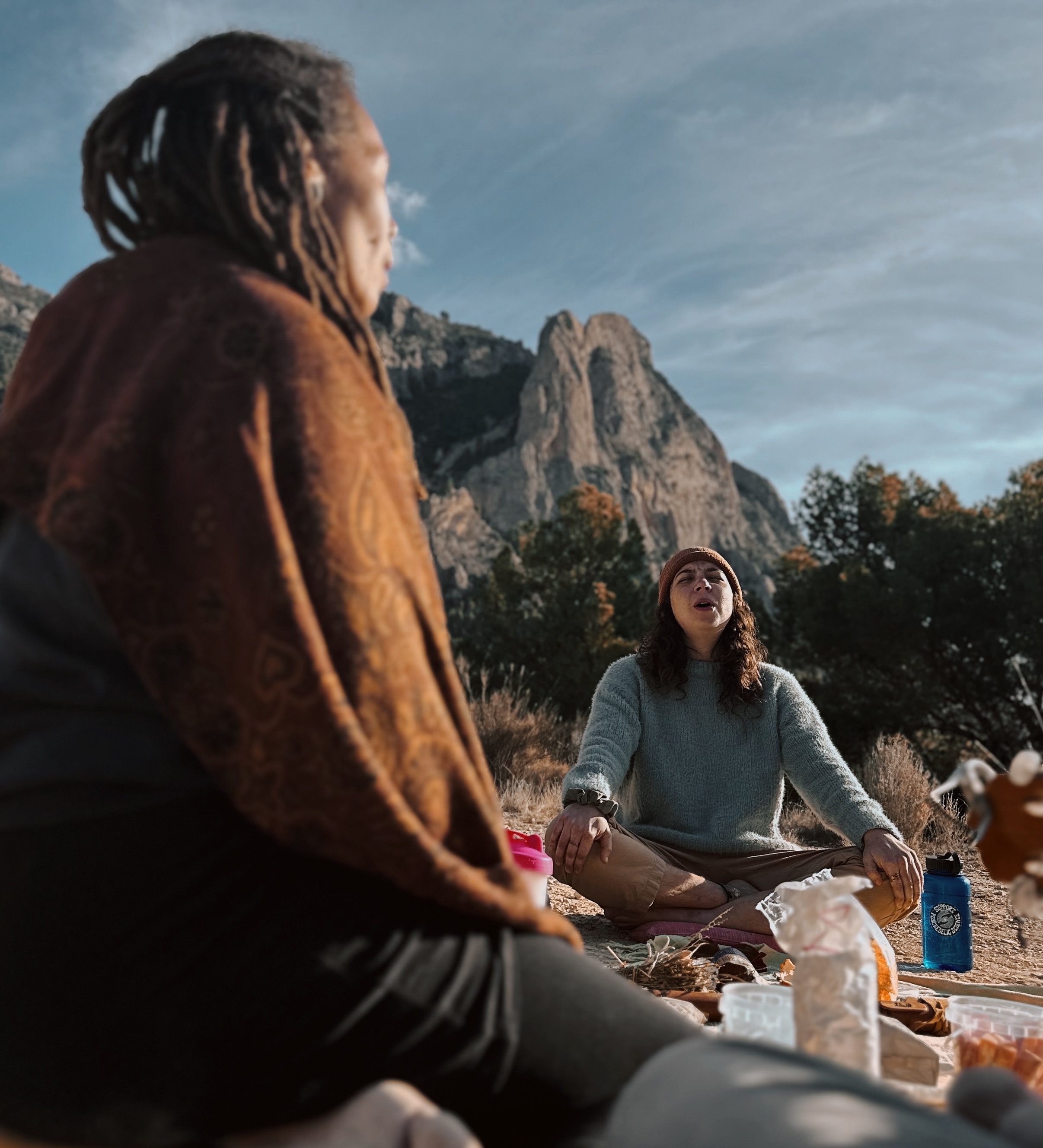
Conscious breathwork practice

The Science of Breath

The yogic texts offer a striking idea about the length of life. You are not given a certain number of years. You are given a certain number of breaths.

Observe nature. The tortoise breathes approximately four times per minute and lives two hundred years. The hummingbird breathes two hundred and fifty times per minute and lives, on average, two years. The elephant — slow, deep breaths — outlives almost everything around it by decades. This is not coincidence either.

Slow the breath. Steady the nervous system. Lengthen the life. Deepen the connection.

Pranayama — the science of breath control — has been refined over thousands of years to do exactly this. Not merely to extend the lifespan, but to alter the quality of consciousness available within it. Specific breathing techniques have been shown in modern research to shift brainwave states, reduce cortisol, activate the parasympathetic nervous system, and induce experiences that practitioners consistently describe as encounters with something larger than themselves.

Does breathing heighten consciousness? The evidence — ancient and modern — says yes.

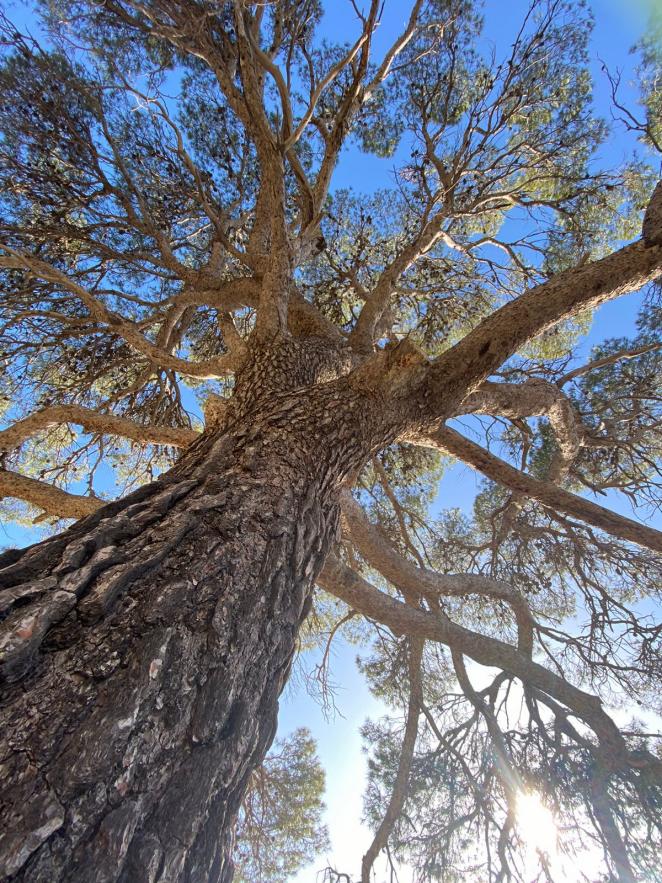
Pranayama practice — the discipline of conscious breath

Fear, Mindfulness, and the Way Back

Now consider what fear does to your breathing. Short. Sharp. Chest-tight. The inhale never reaches the belly. The exhale never fully empties. You are locked in the upper register of the breath, which is also the upper register of the nervous system — reactive, defended, scanning for threat. In this state, you cannot connect with anything beyond your own survival circuitry.

Fear does not just affect your body. Fear severs you from God.

This understanding is at the heart of what we do at La Mezquita. Not because we are afraid of fear — fear is human, and we meet it with compassion — but because we recognise that conscious breathwork is one of the most direct ways to move through fear and back into connection. Back into the signal. Back into Shiva.

The whole architecture of mindfulness — from Zen Buddhism to modern clinical practice — is built on this single insight: when you return to the breath, you return to the present moment, and the present moment is where consciousness lives. Nowhere else. The present is always here. The breath is always here. Breathe with God in your waking moments, and this is what mindfulness becomes — not a stress reduction technique, but a continuous return to source.

Returning to the present moment through the breath

Why Breath Comes First at La Mezquita

There is a reason we talk about breath before we talk about anything else here.

At La Mezquita, we hold space for ceremony. For plant medicine. For the kind of encounter with consciousness that can restructure a life. And if you have worked with psychedelics — or if you are considering doing so — then you already know that the experience can be profound, beautiful, and at times deeply challenging.

What carries you through those moments of challenge? Not your intentions, though those matter. Not your playlist, though that helps. Not even your facilitator, though their presence is invaluable. It is your breath.

If you understand the relationship between breath, consciousness, God, body, spirit, and soul — if you have practiced returning to the breath under ordinary circumstances — then you have a tool that works in every state. A thread back to yourself. An anchor in the most extraordinary waters. This is why breath comes first.

Facilitator training at La Mezquita — breathwork comes first

The Answer Is Yes

It is inside you and outside you simultaneously. It connects every living being on this planet — the same air that moved through the lungs of the Buddha, of Rumi, of your grandmother, of the trees outside your window. It is invisible, essential, freely given, and most of the time completely ignored.

It is the one thing without which consciousness, as we experience it in a body, ceases within minutes. If God is that which is omnipresent, life-giving, and invisible — then yes. Air is God.

And when you learn to breathe consciously, you learn to breathe with God. You learn to stay in connection with the source of your awareness. You lose fear not by avoiding it but by having something stronger to return to. This is the practice. It is ancient. It is available to you right now. It costs nothing.

Breathe strong. Breathe powerfully. Breathe compassionately.

Babaji is the founder of La Mezquita. Read more about the team.
Next in this series: The Breath Before the Medicine — why breathwork is the first preparation for ceremony.

Come and breathe with us

Breathwork is woven into every retreat at La Mezquita. If this resonates, the next step is finding the right retreat for you.

← Back to the blog