Conscious breathwork — the oldest technology for longevity and awareness
Breath Is God — Part 2 of 10

The Yogic Equation: Why the Tortoise Outlives the Hummingbird

Breath Is God — Series This is part two of a ten-part series exploring the relationship between breath, consciousness, and the sacred. Part one established the central thesis: air is the interface between the human and the divine. This post goes deeper into the mechanics — what happens, physiologically and consciously, when you slow down.

Ancient yogic philosophy does not measure a life in years. It measures a life in breaths. You are born with a fixed number. When that number is used, the life is complete.

At first this sounds like metaphor. It is not. Look at the animals.

The Ancient Equation

You were not given a number of years. You were given a number of breaths.

The tortoise breathes four times per minute. It lives, depending on the species, between one hundred and two hundred years. The hummingbird breathes two hundred and fifty times per minute. It lives, on average, two years. The elephant takes slow, deep, full-body breaths and outlives almost every creature around it by decades. The Greenland shark — the longest-lived vertebrate on Earth, with a lifespan of up to five hundred years — has a metabolism and a respiratory rate so slow it barely registers.

The pattern holds across the animal kingdom without exception. Breathing rate and lifespan are inversely correlated. The faster you breathe, the shorter you live. The slower you breathe, the longer.

The ancient yogis saw this, catalogued it, and built an entire technology around it. They called that technology pranayama — the science of breath control. Prana means vital force. Yama means discipline, restraint, mastery. Pranayama is the disciplined mastery of the vital force. It is, without exaggeration, the oldest system of intentional health practice in recorded human history.
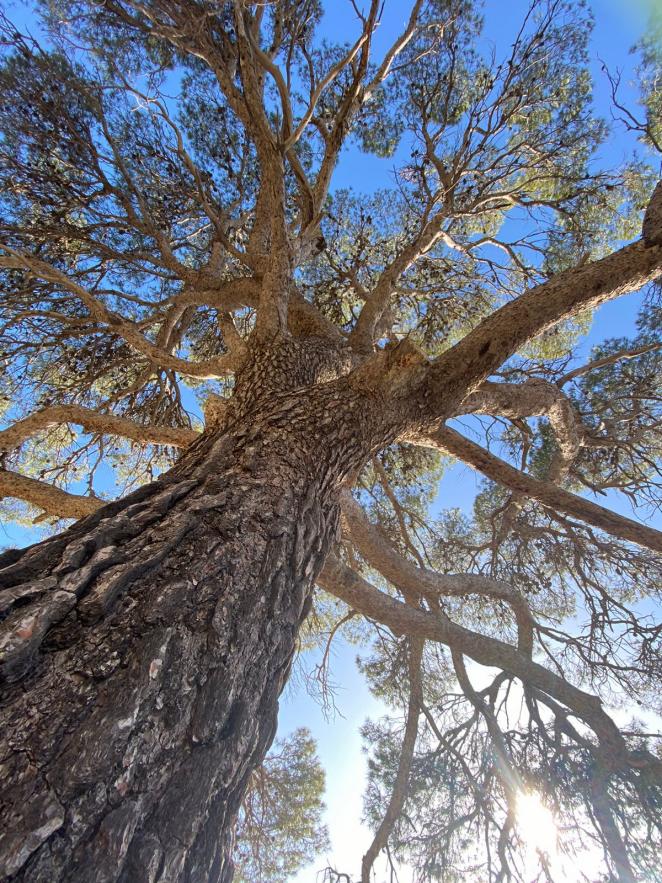
The ancient yogic world — a timeless equation written in nature

What the Science Found

For most of the twentieth century, this was dismissed as folklore. Then researchers started measuring.

The work of Dr. Herbert Benson at Harvard, beginning in the 1970s, was among the first to document what he called the relaxation response — the measurable physiological shift that occurs when a person slows and deepens their breathing. Heart rate drops. Blood pressure falls. Cortisol decreases. The nervous system moves from sympathetic dominance (fight or flight) into parasympathetic regulation (rest and repair).

More recently, research into heart rate variability — the variation in time between heartbeats, now understood as one of the most reliable markers of both cardiovascular health and nervous system resilience — has shown that breathing at approximately 5.5 breaths per minute produces a state of near-perfect cardiovascular coherence. This is the resonant frequency of the human system. At this rate, the heart, lungs, and brain synchronise. Inflammatory markers fall. Cognitive function improves. The nervous system, for perhaps the first time in a modern human's waking day, genuinely rests.

The average person breathes between twelve and twenty times per minute. The average meditator, after years of practice, breathes between four and six. The ancient yogis were doing what we now call biohacking. They simply called it practice.

The science did not discover what the yogis knew. It confirmed it.
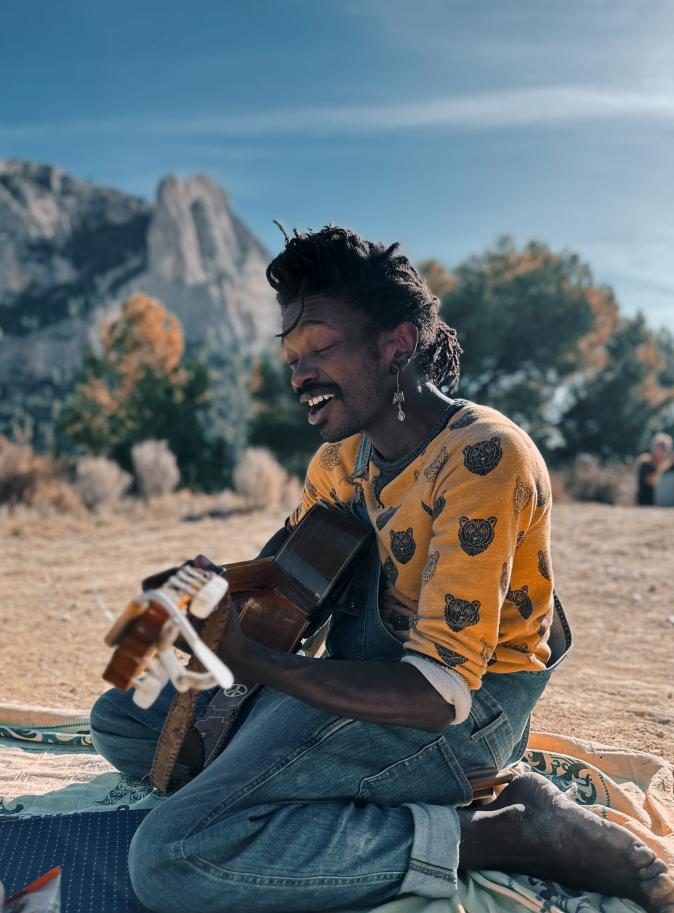
The science catches up — what researchers found when they measured the meditating breath

Not Just Longer — Deeper

Here is where the yogic understanding diverges from the purely physiological one, and becomes more interesting.

The yogis were not primarily interested in living longer. They were interested in perceiving more. Slow breathing does not merely extend the body’s operating time — it changes the quality of consciousness available within that time.

When you breathe at twelve to twenty breaths per minute, your brainwave activity is predominantly in the beta range: alert, analytical, slightly anxious, tracking the surface of things. This is adequate for navigating daily life. It is not adequate for encountering the deeper layers of reality.

When you slow to five or six breaths per minute, alpha waves increase. The mind becomes quiet without becoming dull. There is awareness without agitation. The field of perception widens. Things that were invisible at speed become visible in stillness — your own emotional states, the quality of your attention, the subtle body, the space between thoughts.

Slow to four breaths per minute, and theta waves begin to emerge — the same brainwave state as deep meditation, the hypnagogic threshold, and the early stages of psychedelic experience. This is not coincidence. The yogis understood that breathwork and plant medicine are opening the same door. One requires decades of daily practice. The other, a few careful hours. Both require that you know how to breathe once the door is open.

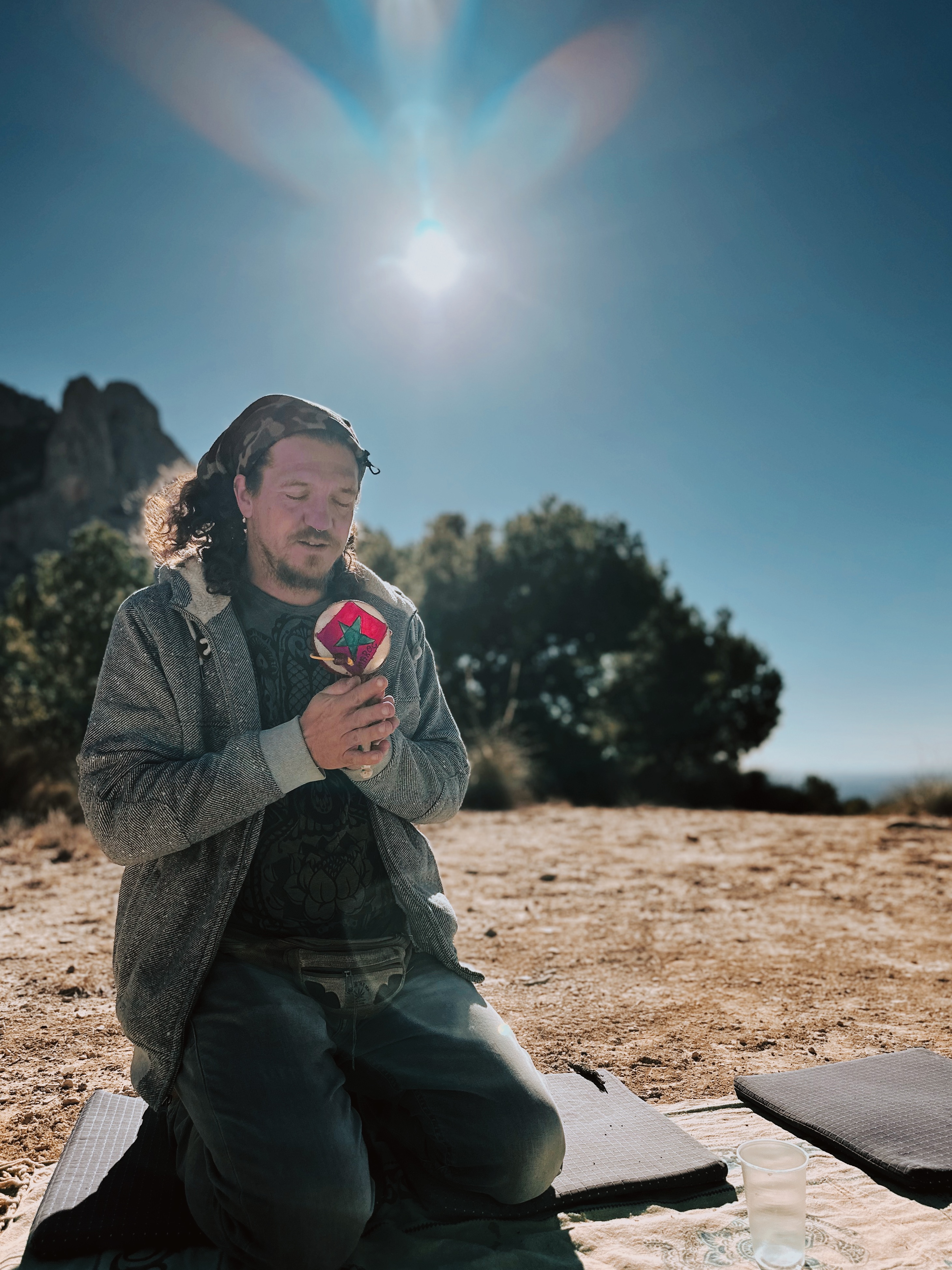
Wider perception — what becomes visible when the breath slows

Kumbhaka: The Pause Between

There is a moment in the breath cycle that most people never reach because they are moving too fast to notice it.

At the top of a full inhale — lungs completely expanded, the breath held gently, no effort — there is a pause. In that pause, there is no breath. There is only awareness. The yogis called this kumbhaka, meaning retention, literally “the pot.” The breath is held like water in a vessel.

Kumbhaka is, in the yogic understanding, a moment of pure consciousness. You are not breathing in — so you are not engaged in the act of receiving. You are not breathing out — so you are not engaged in the act of releasing. You are simply here. Awareness without movement. Shiva without Shakti. The witness without the witnessed.

In the pause between breaths, there is only you. Not the body, not the mind. You.

Extended kumbhaka practice — which must be built gradually, over months and years, never forced — is one of the primary methods by which advanced yogis developed the capacity to rest in pure consciousness for extended periods. This is not mysticism. This is a repeatable, trainable skill. And its foundation is nothing more than learning to slow down.

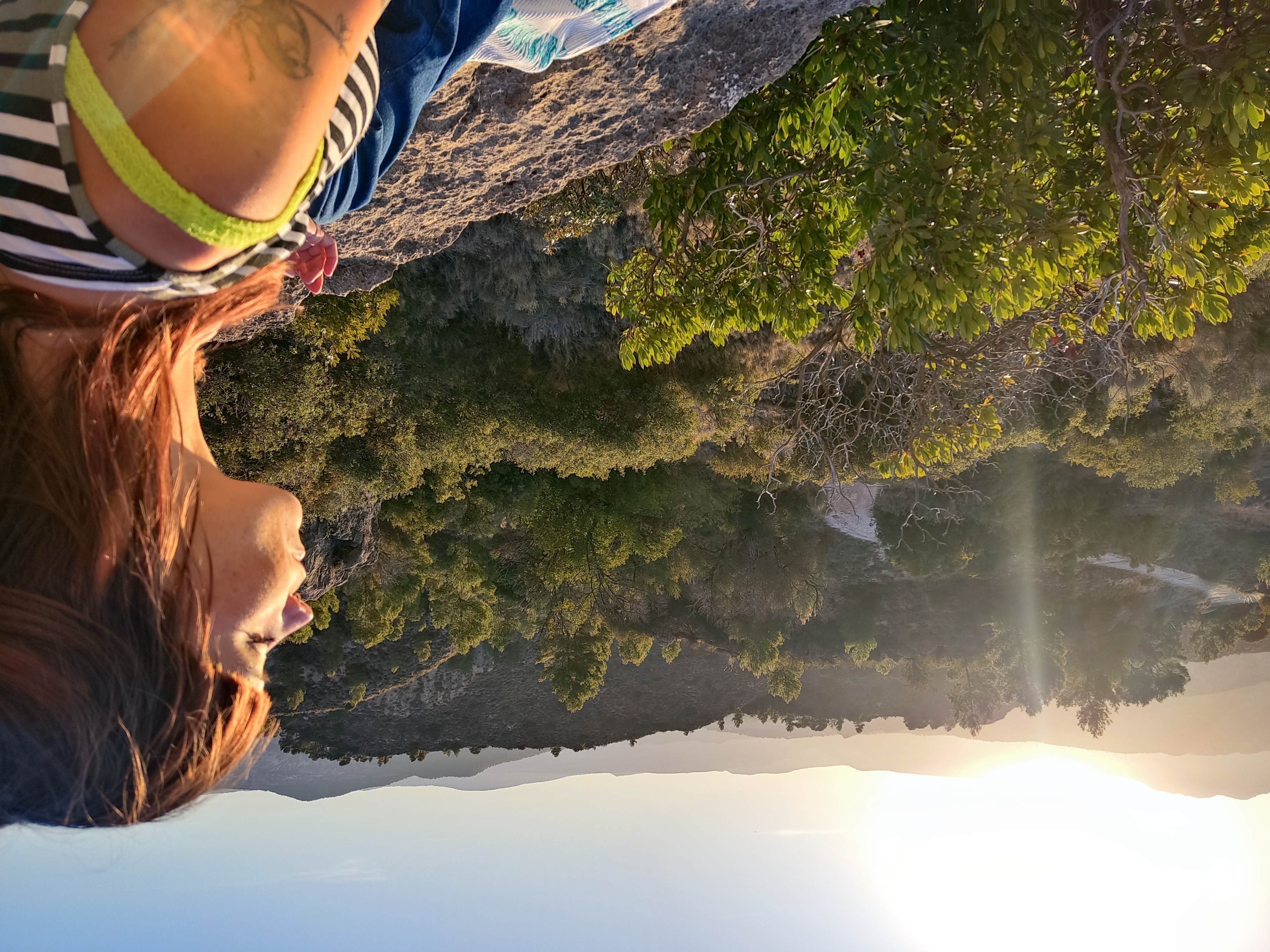
The still point — mountains and the pause between breaths

The Equation Applied

If you breathe twenty times a minute for eighty years, you take approximately 840 million breaths in your lifetime. Each one a small expenditure of the vital force. Each one also an opportunity — to return, to connect, to slow down.

What the yogic equation actually proposes is not that you can cheat death by breathing slowly — though the cardiovascular evidence suggests you might extend your healthspan significantly. What it proposes is subtler and more important: the quality of your life is determined not by its length but by the depth of awareness you bring to each breath you take.

A tortoise does not experience two hundred years as a long time. It experiences each moment fully, without the frantic metabolic noise that shortens the lives of faster creatures. There is something worth sitting with in that image.

At La Mezquita, we do not teach pranayama as a wellness practice. We teach it as a perceptual one. The goal is not relaxation, though that comes. The goal is clarity — the capacity to perceive what is actually happening in your body, in your mind, and in the space that contains both. That capacity, built through practice, is what makes ceremony possible. It is what makes integration possible. It is, we believe, what makes a conscious life possible.

Slow down. Not because life is long enough. Because it is worth seeing clearly.
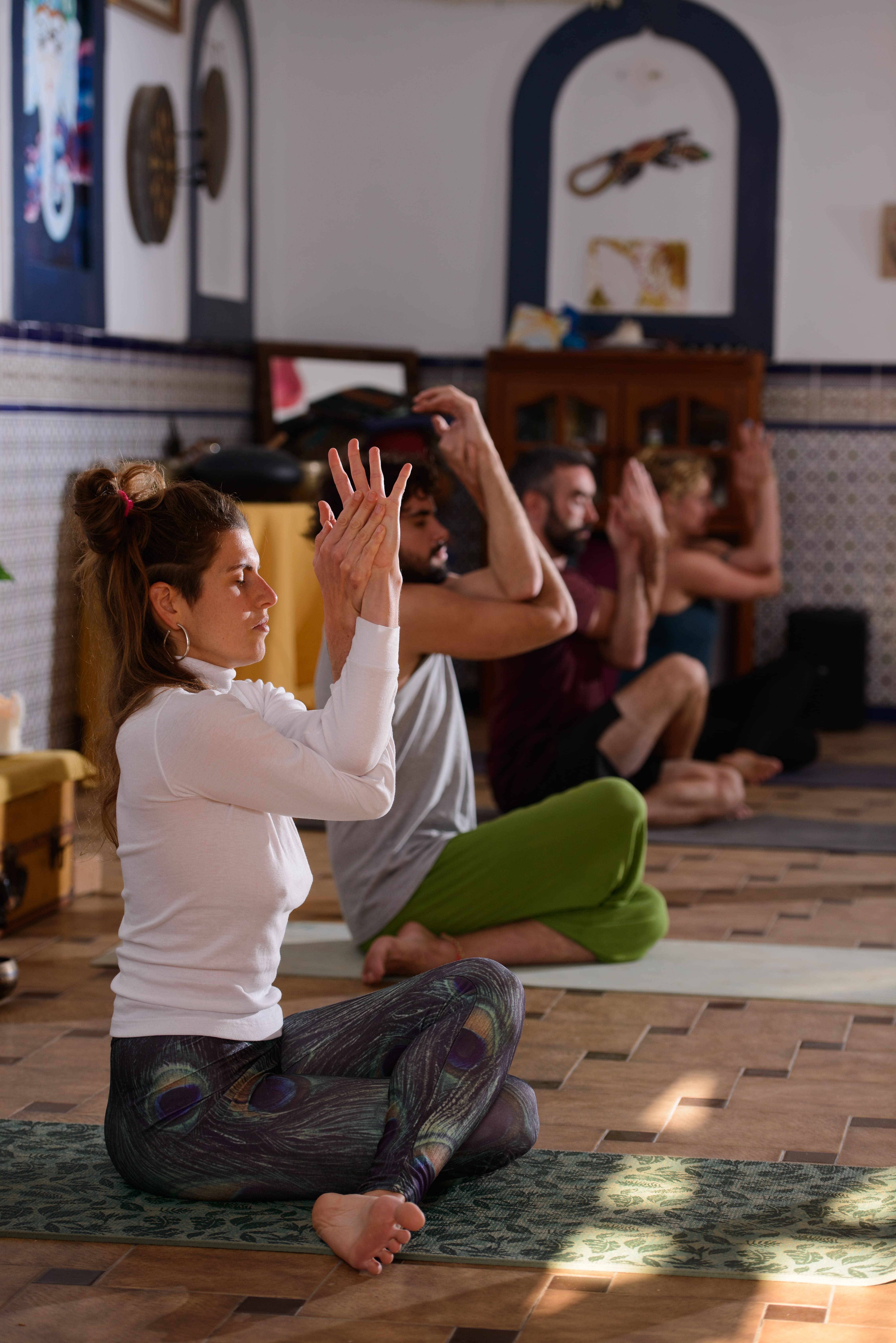
Clarity through breath — seeing what is actually here

The Simplest Technology

You do not need equipment. You do not need a teacher, though a good one helps. You do not need a retreat, though that changes things. You need only to notice that you are breathing, and to make that breath a little slower, a little fuller, a little more deliberate than it was a moment ago.

Do that once. Then again. Then ten times in a row, without hurrying. Feel what shifts. That shift — that small opening in the quality of your awareness — is what the yogis spent lifetimes refining. It is available to you right now, in the next thirty seconds, for free.

The tortoise is not wise because it is old. It is old because it is not in a hurry. There is a version of you that knows this. You can feel it in the pause at the top of the breath, if you stay there long enough to notice.

Four breaths per minute. Two hundred years of clarity.

Babaji is the founder of La Mezquita. Read more about the team.
Next in this series: Fear Cuts The Thread — how fear severs your connection to source, and why the breath is the way back.

Come and breathe with us

Breathwork is woven into every retreat at La Mezquita. If this resonates, the next step is finding the right retreat for you.

← Back to the blog