What if I have a bad trip — set, setting and preparation for psychedelic ceremony
Preparation & Safety

What If I Have a Bad Trip? Set, Setting, and Why the Hard Parts Heal

It is, almost without exception, the first question people ask before a ceremony: what if I have a bad trip? It is a fair question, and it deserves a real answer rather than reassurance for its own sake.

The honest answer is that a psychedelic experience is rarely random. What happens in the room is shaped, to a very large degree, by three things you can actually prepare: the setting you are in, the internal state — the set — you bring with you, and the dose you take. Get those right, with an experienced guide alongside you, and what people fear as a “bad trip” usually becomes something else entirely: a difficult trip. Difficult, and held, and often exactly where the healing happens.

A bad trip is rarely about the medicine. It is almost always about the conditions around it.

That distinction matters, because it changes the question from “how do I avoid this?” to “how do I prepare for it well?” Here is what that actually means.

Setting: The Space Around You

Setting is the physical and social environment the experience takes place in, and it is not a minor detail — it is one of the strongest predictors of how a session unfolds. A good setting is tranquilo. Calm, unhurried, without interference. No unnecessary noise, no unfamiliar faces drifting in and out, no sense that anyone is watching or waiting on you.

It should be secluded rather than busy — a place set apart from daily life, where nothing is competing for your attention. And it should hold only the people who are actually part of the journey: the person going through it, and the guides who are there to support them. Not an audience. Not extra bodies. Not phones, screens, or the low-grade static of the outside world.

This is not aesthetic preference. A nervous system that senses safety in its environment can afford to open. One that senses exposure, noise, or unpredictability stays braced, and a braced nervous system meets everything that arises — including the ordinary, natural intensity of the experience — as a threat rather than as material to work with.
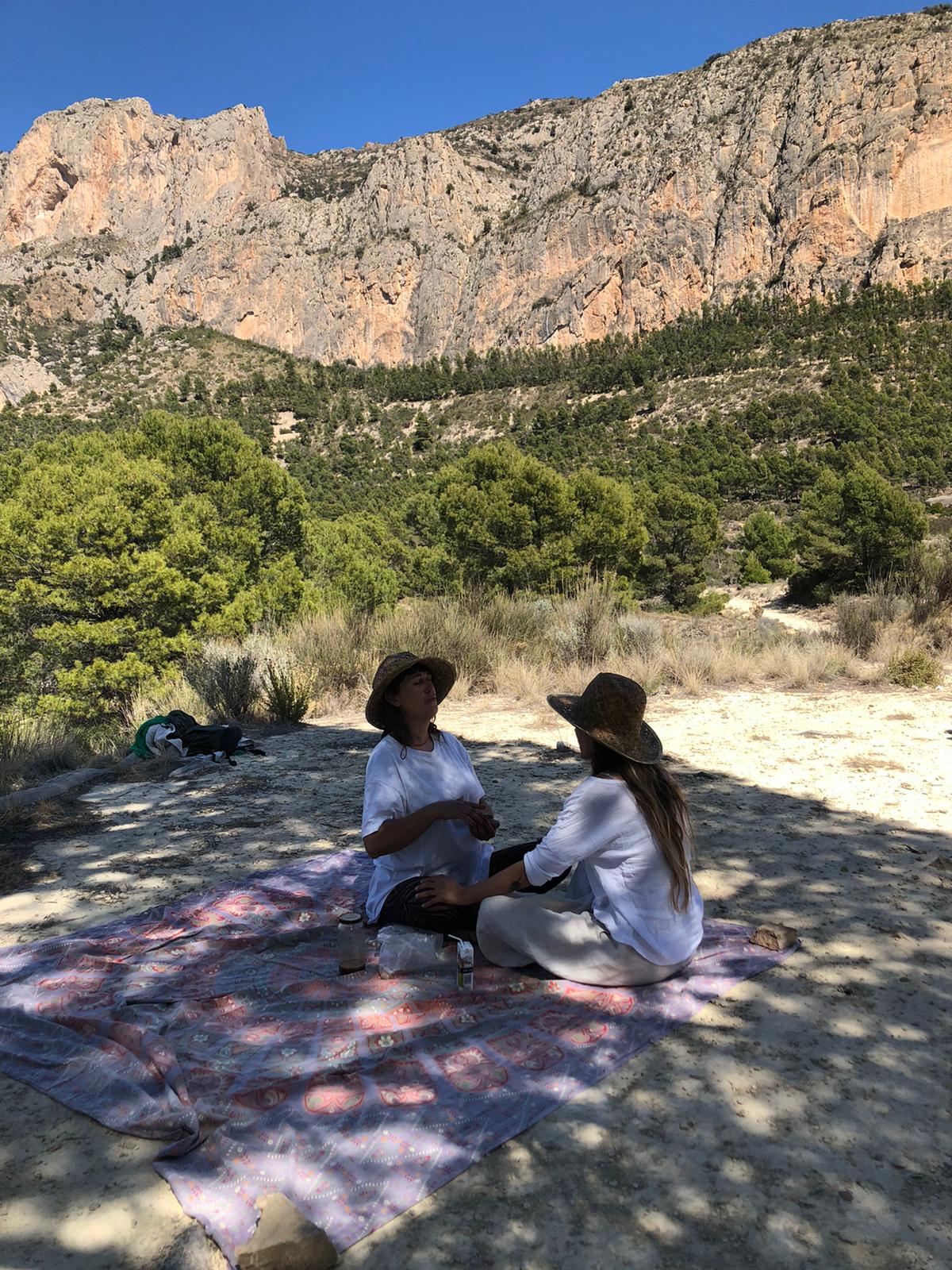
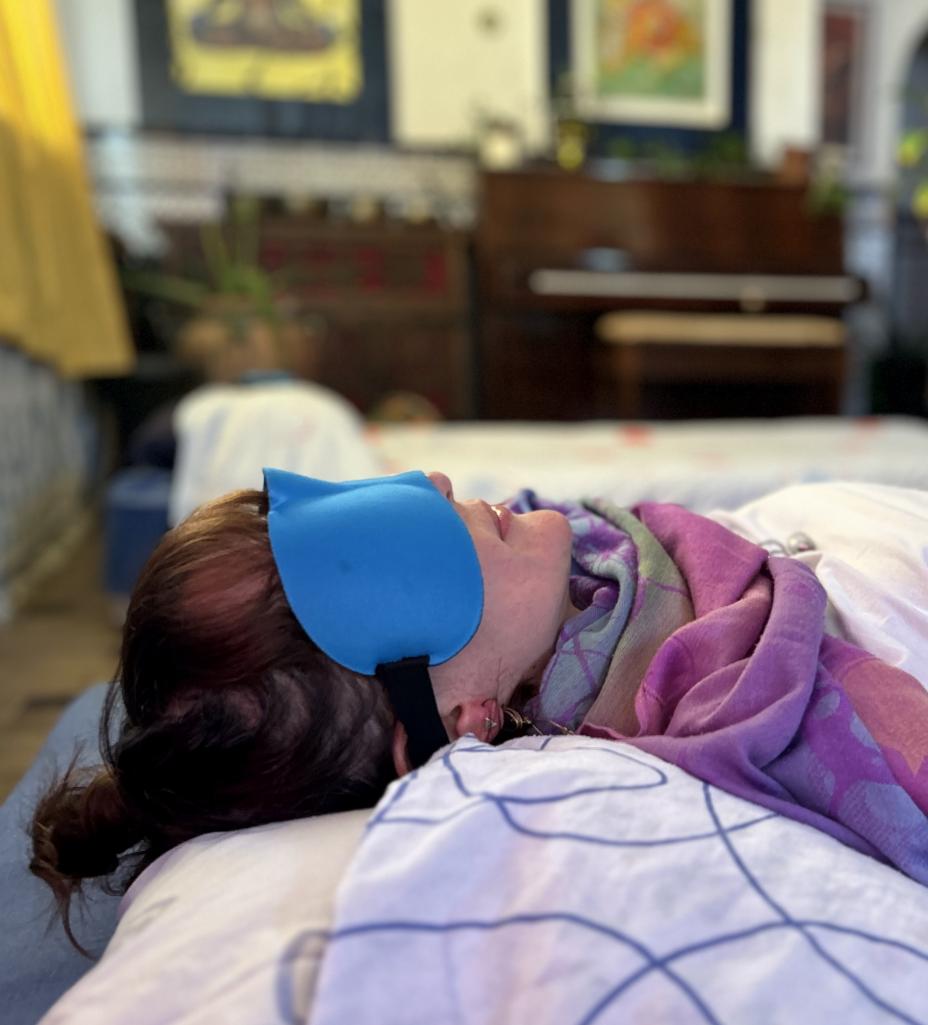
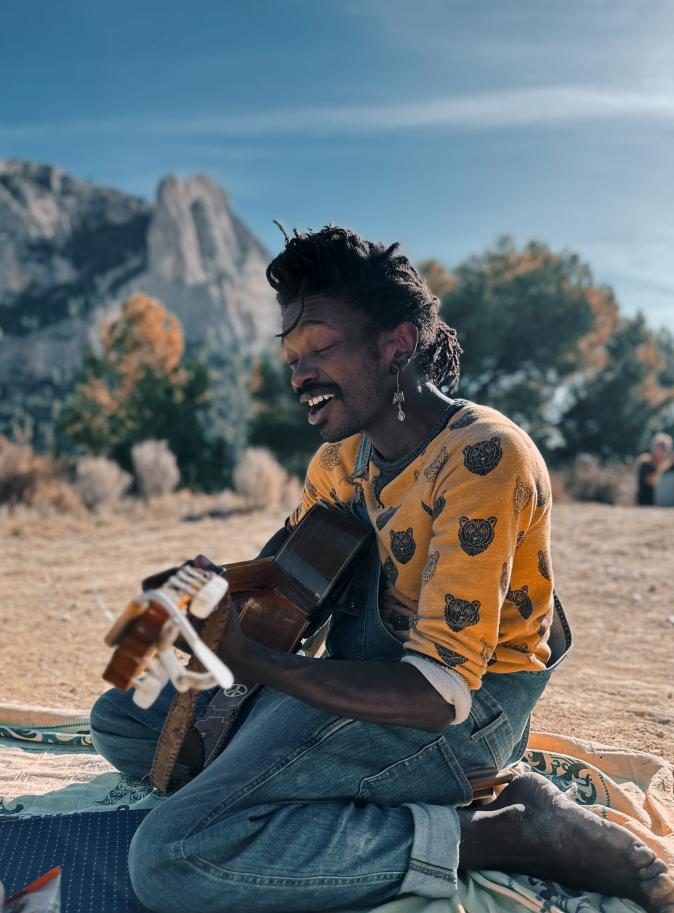
A tranquil, secluded setting — the environment shapes the ceremony

Set: What You Bring Into the Room

If setting is the space around you, set is the state you carry into it — your mindset, your body, and how much genuine time you gave yourself to prepare rather than arriving straight from a stressful week.

Set is built from ordinary, physical things: how much you slept in the days before, whether you have eaten well, whether you are rested or running on empty. It also includes the honest question of where you are emotionally right now — whether you are carrying acute stress or moving through a crisis that has not yet settled. This is exactly why a proper screening process exists before any retreat: to understand what you are bringing in, and whether now is the right time.

Set is not just your mindset. It is your sleep, your food, your rest, and your honesty about where you actually are.

Set also has a physical dimension inside the ceremony itself: staying warm, having shade from the sun, having good water and tea within reach. These sound small. They are not. Physical discomfort — cold, dehydration, sun exposure — pulls attention outward at exactly the moments it needs to stay inward, and can turn a manageable moment into an unnecessarily hard one. A well-run ceremony pays as much attention to these details as it does to anything else.

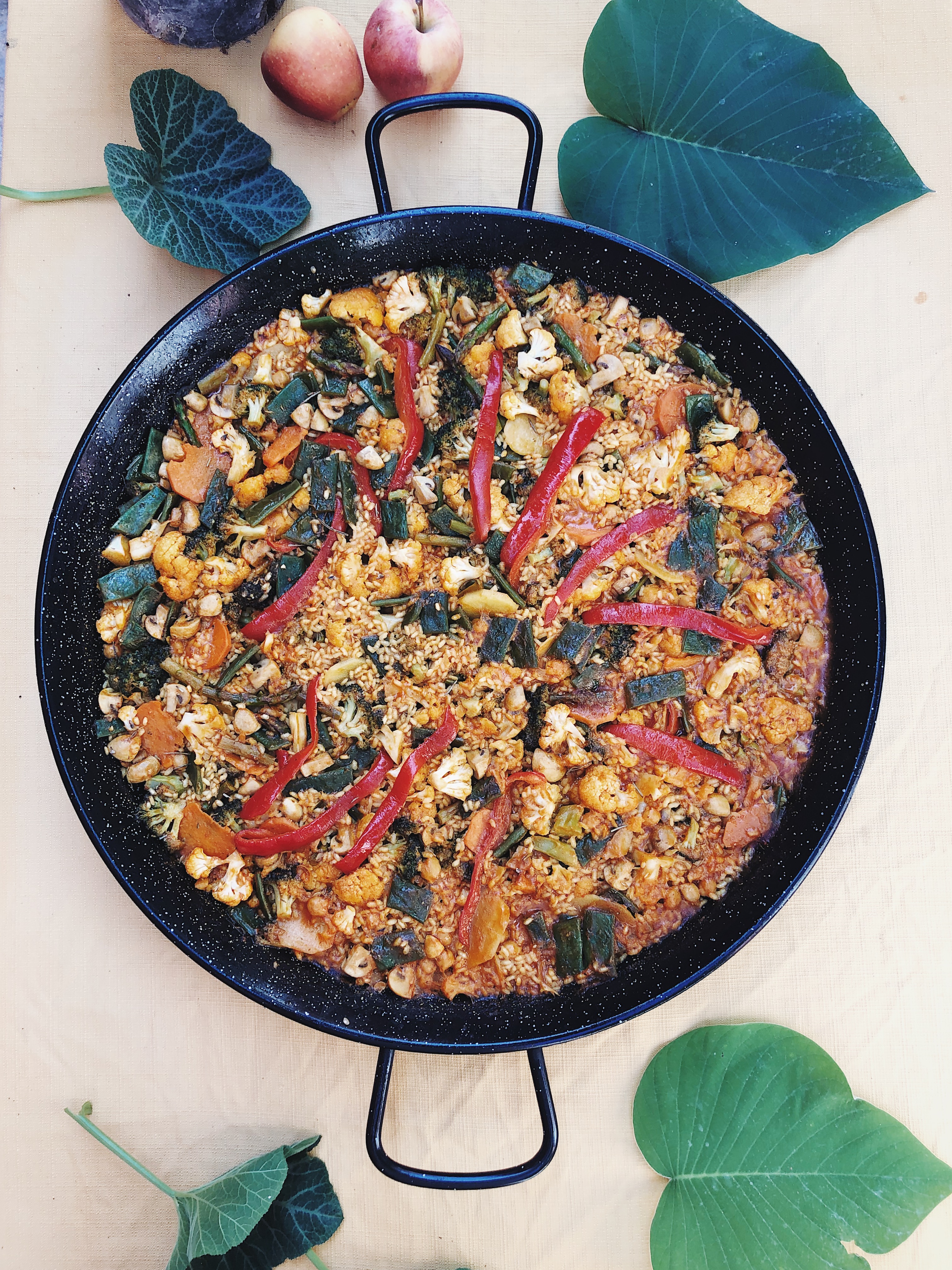
Preparing your internal state — sleep, food, rest and honesty before ceremony

Dose: Precision Is Not Optional

Dose is fundamental, and it is where inexperienced or unsupervised settings most often go wrong. An incorrect dose — usually too much, sometimes an unfamiliar preparation of unknown strength — can make an experience considerably harder to navigate than it needed to be, for no benefit. This is not a place for guesswork.

It is also why a good guide, someone with real, direct experience, is essential rather than optional. An experienced facilitator knows how to calibrate dose to the person in front of them, not a generic protocol. And once the ceremony begins, that same experience is what allows a guide to read what is actually happening in the room — to recognise the difference between a person moving through something difficult and necessary, and a person who needs direct support — and to respond accordingly.

A good guide is not a formality. It is often the single factor that determines whether a hard moment becomes workable or overwhelming.

This is the entire reason preparation exists as its own stage before any retreat, not an afterthought. Setting, set, and dose are not separate concerns — they are the same conversation, held before the ceremony begins.

An experienced guide calibrating dose and holding the space

What Actually Surfaces

Here is the part that is rarely explained clearly: when something difficult arises in ceremony, it is not something the medicine invents or imposes on you. It is almost always the sum of what you were already carrying — your own trauma, your own unresolved grief, the emotional baggage that ordinary life gives you a thousand ways to avoid feeling directly.

Psychedelics quiet the usual defences — the busyness, the distraction, the practiced avoidance — that keep this material below the surface most of the time. What comes up when those defences soften is not new. It was always there. This is also precisely where the therapeutic work happens. The material that surfaces is the material that needed attention.

What comes up is not the medicine attacking you. It is the sum of what you were already carrying, finally given room to move.
What surfaces in ceremony is your own material, given room to move

Why the Hard Parts Heal

A challenging trip is often a therapeutic one. Those two things are not in tension — they are frequently the same experience described from two different distances. That does not make it easy. Releasing emotional baggage that has been held, sometimes for years, can genuinely hurt. But the pain is not a sign that something has gone wrong. It is usually a sign that something is finally moving.

Pain, loss, grief, and fear are not malfunctions. They are necessary human emotions, and most people have become extremely practised at hiding them — from others, and from themselves. A held ceremony, with the right setting, set, dose, and guide around you, can be one of the few spaces where those emotions are allowed to surface fully, be felt completely, and move through, rather than be managed and pushed back down.

This is why the goal of good preparation was never to guarantee an easy experience. It is to make sure that if something difficult does arise, you are held well enough — by the space, by your own readiness, and by the people beside you — to actually move through it, rather than simply survive it.

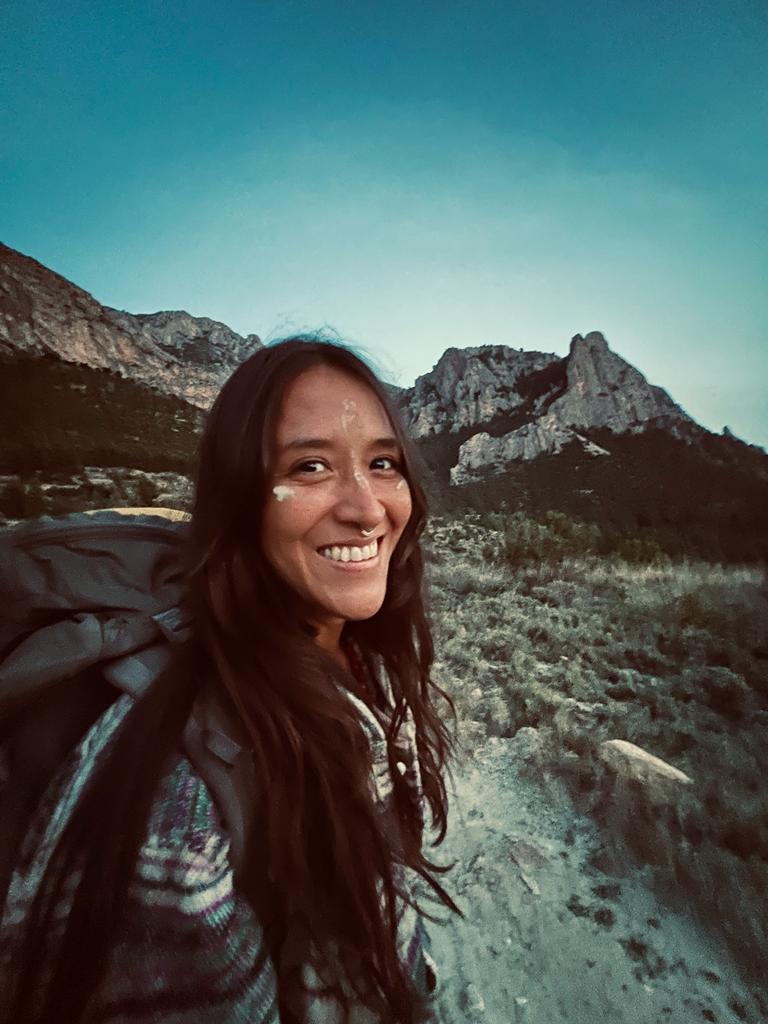
Being held through a difficult moment in ceremony

The Question Underneath the Question

“What if I have a bad trip?” is really asking a different question: will I be safe if something hard comes up? With the right setting, an honest reckoning with your set, a carefully calibrated dose, and an experienced guide beside you, the answer can genuinely be yes — not because difficulty is eliminated, but because it is held.

This is why every retreat at La Mezquita begins long before the ceremony itself, with screening and preparation, and continues afterward with integration — because what surfaces in ceremony deserves real support on both sides of the experience, not just during it.

A bad trip, handled well, is usually just a hard trip that was never allowed to become dangerous.

This article is for general education and is not medical advice. If you are in crisis or in acute distress, please seek support from a qualified professional or local emergency services before considering a retreat.

Babaji is the founder of La Mezquita. Read more about the team.

Come prepared, and held

Every retreat at La Mezquita begins with a screening call. We want to understand where you are, what you're carrying, and whether this is the right time.

← Back to the blog